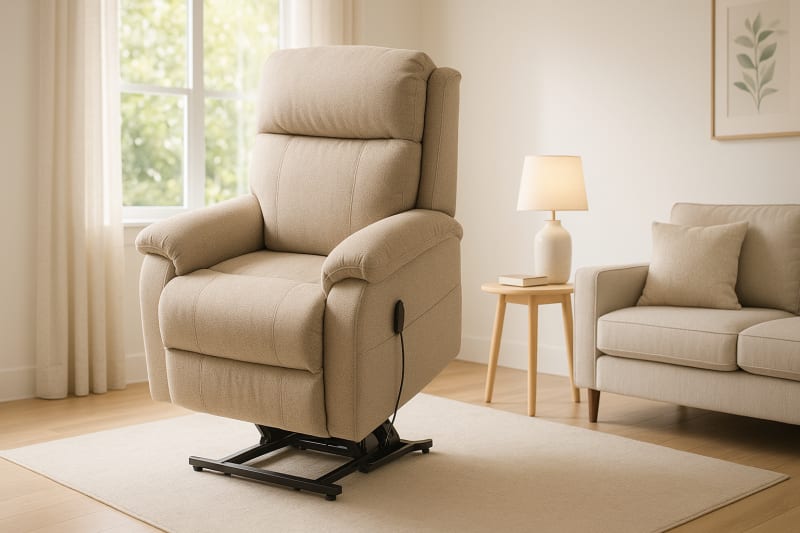
When the Power Goes Out: A Medical Equipment Emergency Plan for South Florida Families
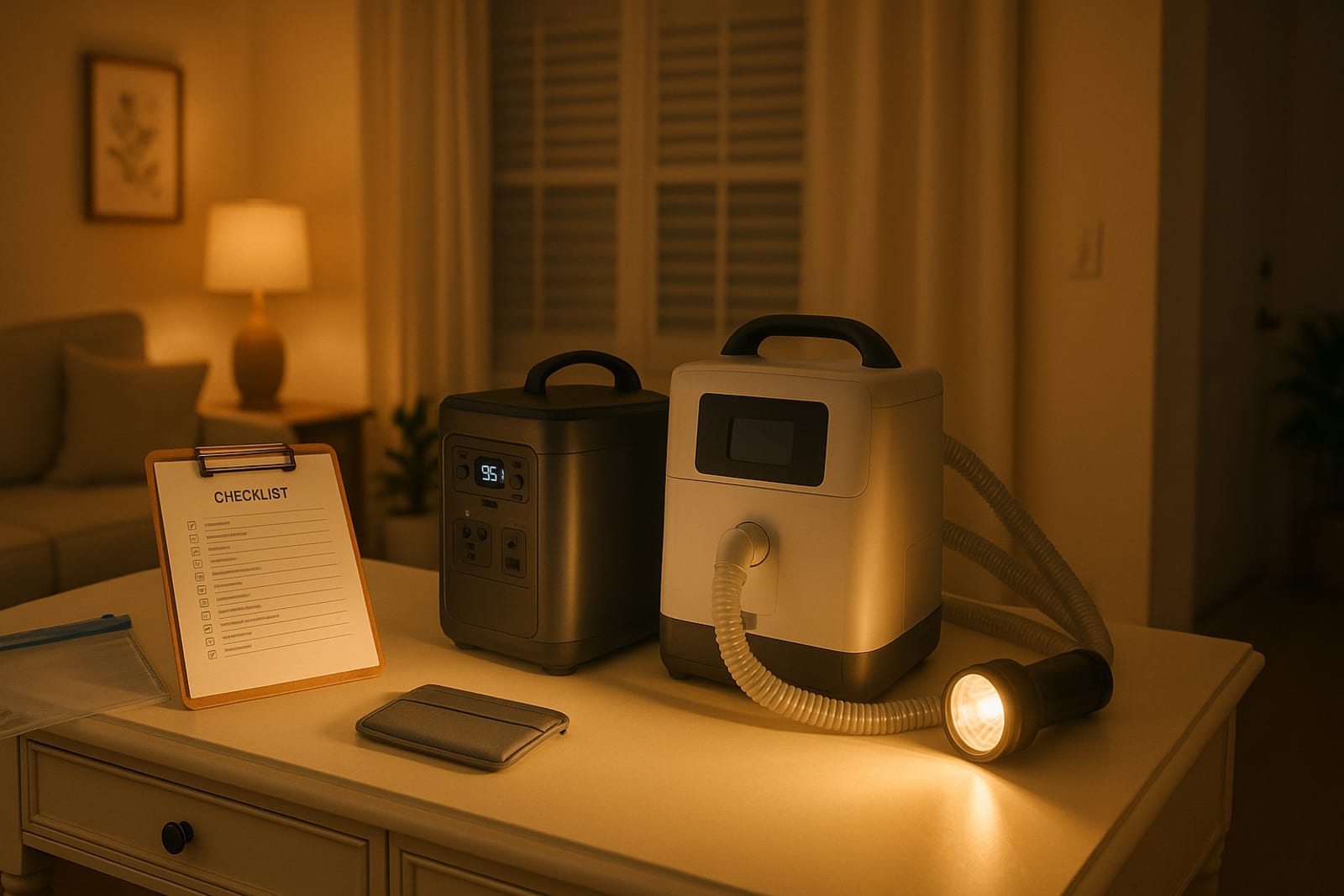
When the Power Goes Out: A Medical Equipment Emergency Plan for South Florida Families
If someone in your home relies on medical equipment, a power outage plan should answer five questions before the lights go out: Which devices are essential? What does each device require to operate? How long will your backup power last? Who needs to be called? Where will you go if staying home is no longer safe? Write those answers down, keep them with your equipment instructions, and make sure at least one other person understands the plan. Utility programs and county registries can support your planning, but they do not guarantee power, priority restoration, or shelter space. You still need a practical, device-specific backup for the person who depends on that equipment.
September in South Florida means the heart of hurricane season. But the truth is, power outages happen year-round here, from afternoon thunderstorms to grid failures to scheduled maintenance. And if your family is caring for someone who depends on a ventilator, a nebulizer, an infusion pump, a powered wheelchair, or any other medical device that needs electricity, the stakes are completely different from a spoiled refrigerator or a missed TV show.
Here is what you need to know to build a medical equipment emergency plan that actually works for your family, your home, and the specific devices your loved one depends on.
Which Equipment Belongs in Your Emergency Plan?
The first step is a thorough, room-by-room inventory. Every device that supports breathing, mobility, medication delivery, monitoring, positioning, skin protection, or transfers needs to be on your list. The FDA's guidance on home health devices makes a point that is easy to overlook: the home creates distinct conditions for device use, and families need appropriate information, training, maintenance routines, and emergency plans in place to use equipment safely.
Your inventory will look different from anyone else's. Everybody's situation is individual. But the information you need to capture for each device is the same.
What to Record for Every Device
For each piece of equipment, document:
- Device name, model, and serial number
- Manufacturer name and contact number (including after-hours support)
- Equipment supplier name and contact number
- Prescribing clinician or care team contact information
- Normal power source and battery type (if applicable)
- Realistic battery life under your loved one's actual use pattern, not the manufacturer's best-case estimate
- Required accessories: filters, tubing, water, phone or internet connection, charging cables
- Alarm meanings and the correct response to each one
- Cleaning, temperature, humidity, and storage instructions
- Location of the user manual
- The confirmed safe backup option for that specific model
Do not estimate battery life based on what you think it should be. Check the current instructions and ask the manufacturer or your supplier what that specific model can safely use. The FDA's home healthcare devices checklist recommends keeping instructions and emergency numbers near each device, understanding every alarm, and maintaining a backup plan. If a device is necessary to sustain life and it cannot operate, seek emergency services immediately.
This is not a weekend project to rush through. Take your time, go room by room, and get the details right. The plan is only as good as the information behind it.
How Should You Plan for Backup Power?
This is where most families get tripped up. The assumption is often simple: "We will just get a generator." But backup power planning is device-specific, and what works for your kitchen appliances may not be safe or compatible with a medical device.
The right backup depends on the device itself, the electrical demand, the expected outage length, and the clinical needs of the person using it. A battery that supports one device for a few hours may not support multiple devices through an overnight outage. Generator compatibility and safe operation must be confirmed with the manufacturer or supplier, not assumed based on wattage alone.
Five Questions to Ask the Manufacturer or Supplier
- Can this exact model run on a battery or generator?
- Which voltage, wattage, battery, adapter, or accessory is approved for this device?
- How should batteries be charged, stored, tested, and replaced?
- Will the device keep its settings when power is interrupted?
- What should the user do if an alarm appears after power returns?
These are not optional questions. They are safety questions. And they are the kind of questions that most families do not think to ask until the power is already out.
Generator Safety
The FDA's guidance on medical devices and natural disasters includes critical safety warnings about generators. Never run a gasoline-powered generator in a basement, garage, or any enclosed structure, even with doors or windows open. Never position it where exhaust can enter the home. Carbon monoxide poisoning is a real and deadly risk. Follow the generator manufacturer's directions and local safety guidance.
Keep devices, cords, batteries, and sterile supplies clean and dry. Never plug in a wet cord or device. And here is something many families do not realize: after power returns, some equipment can reset to a default mode. The FDA advises verifying that device settings are still correct after any power interruption. That five-minute check could prevent a serious problem.
What Should Your Contact and Relocation Plan Include?
A printed contact sheet still works when a phone battery is dead or internet service is down. Keep one sealed near the device and give a copy to whoever would step in to help.
Build Your Emergency Contact Sheet
Include daytime and after-hours numbers for:
- Equipment supplier
- Device manufacturer
- Prescribing doctor and care team
- Pharmacy
- Utility company
- County emergency management office
- Two or three trusted contacts who could physically help
Also list your primary and alternate destinations, plus everything you would need to bring: equipment, supplies, medications, chargers, and medical records.
Plan Transportation Before You Need It
Think through the logistics now. Who can move both the person and their equipment? Does the equipment fit in the vehicle? Can the destination provide the required power, water, space, and accessibility? The FDA advises checking whether alternate locations can accommodate the device before you need to relocate.
And this is important: the FDA's home healthcare checklist recommends including family members and caregivers in hands-on device demonstrations. A written plan and actual familiarity with operating the equipment belong together. If only one person in the household knows how to operate a device, that is a single point of failure in your emergency plan.
What Can FPL's Medically Essential Service Program Do?
Florida Power and Light offers a Medically Essential Service Program for eligible residential customers who depend on electric-powered medical equipment and have physician certification. The program can provide advance notice of scheduled outages, hurricane notifications, and certain agency referrals.
But here is what it does not do, and this is critical: enrollment does not guarantee uninterrupted power or priority restoration. FPL states clearly that customers remain responsible for backup equipment and power during an outage. Enrollment also does not remove your responsibility for the utility bill.
The program requires annual recertification, so confirm that your record is current. If you enrolled last year and forgot to recertify, your enrollment may have lapsed.
Think of the FPL program as one layer of your plan. A helpful layer, absolutely. But not the whole plan. If someone tells you that signing up for Medically Essential Service means you will get your power back first, that is not what the program promises.
Which South Florida Registries Should Your Family Know About?
South Florida counties maintain special needs programs that can support emergency planning. But these programs vary by county, and what one offers may not match another. Confirm the program for the county where your loved one lives.
Broward County
Broward County's Vulnerable Population Registry supports municipal planning for at-risk residents who plan to stay home. It does not guarantee assistance or priority response. Registration should be completed before a storm threatens, not the day before landfall.
Broward also directs people with special medical needs to register separately for its Special Needs Shelter and, when needed, transportation assistance. These are separate registrations with different purposes. Broward is clear that special-needs shelter resources are limited and that residents should bring required equipment, medications, and supplies.
Palm Beach County
Palm Beach County's Special Needs Program maintains a preregistration program for eligible residents who may need special assistance during an emergency. Families should verify current eligibility, registration requirements, transportation options, and what the shelter provides versus what you need to bring.
In both counties, a special-needs shelter is not a medical facility. It may have auxiliary power and limited services, but it will not reproduce every feature of your home or a healthcare setting. Plan accordingly.
What Happens If Equipment Is Lost or Damaged in a Declared Emergency?
Do not assume coverage. Contact your supplier and health plan promptly. According to CMS guidance on DMEPOS emergency preparedness, Original Medicare may cover repair or replacement in certain cases when it already paid for equipment or supplies that were lost or damaged in an officially declared emergency. Medicare may also cover rentals during the repair period.
If your loved one is on a Medicare Advantage plan (HMO or PPO), contact the plan directly. Plan-specific rules apply, and they may differ significantly from Original Medicare.
Keep photos, model and serial numbers, orders, supplier information, and damage documentation. Coverage depends on the specific situation, the type of emergency declaration, and program rules. Documentation matters.
Your Medical Equipment Outage Checklist
Print this. Put it with your emergency supplies. Review it at the start of every hurricane season.
- List every medical device and its exact power, water, accessory, and connection needs
- Record model numbers, serial numbers, supplier contacts, manufacturer contacts, and after-hours numbers
- Keep current instructions beside each device and learn every alarm
- Confirm approved backup power and realistic run time for each device
- Test batteries and replace them according to manufacturer instructions
- Keep extra approved supplies clean, dry, secure, and within expiration dates
- Show at least one other person how to operate each device and its backup
- Identify a primary and alternate destination that can support the equipment
- Plan transportation for both the person and the equipment
- Review FPL Medically Essential Service eligibility and confirm annual recertification
- Review the correct county registry and special-needs shelter program for your location
- Put essential records and contacts in a waterproof, portable packet
- After any outage, inspect for water damage and confirm device settings before resuming normal use
What to Do Now
Building an emergency plan does not have to happen in one sitting. Break it into manageable steps.
This Week
- Complete your device inventory. Go room by room and record every piece of medical equipment, its power requirements, and its current battery status.
- Print a contact sheet. Include supplier, manufacturer, doctor, pharmacy, utility, and two trusted contacts. Put one copy near the equipment and give another to your backup person.
- Check FPL enrollment status. If your loved one qualifies for Medically Essential Service and you have not enrolled or recertified this year, do it now.
This Month
- Call the manufacturer or supplier for every life-critical device and ask the five backup power questions listed above. Write down the answers.
- Test every battery and replace any that are past their recommended service life.
- Register with your county's special-needs program if your loved one is eligible. Broward and Palm Beach have different programs with different requirements, so check the one that applies.
- Walk through the plan with your backup person. Have them demonstrate that they can operate each device.
This Quarter
- Run a practice scenario. Unplug a non-critical device and practice the switchover to backup power. Time it. Identify gaps.
- Confirm your relocation destinations. Call ahead. Can they accommodate the equipment? Is there reliable power? Is the space accessible?
- Update your waterproof emergency packet with current prescriptions, insurance information, device documentation, and a copy of your checklist.
- Review the full plan and update anything that has changed: new devices, new medications, new living arrangements, or changes in the caregiver situation.
Frequently Asked Questions
Does FPL enrollment guarantee faster power restoration?
No. FPL states that Medically Essential Service does not guarantee uninterrupted power or priority restoration. Families remain responsible for backup equipment and power during any outage.
Is Broward's Vulnerable Population Registry the same as special-needs shelter registration?
No. The Vulnerable Population Registry supports municipal planning for residents who stay home. Broward directs people with special medical needs to register separately for the Special Needs Shelter and, if needed, transportation assistance.
Can any generator power a home medical device?
Do not assume so. Read the device instructions and confirm compatibility with the manufacturer or your equipment supplier before purchasing or connecting a generator. Follow all generator safety directions, including outdoor placement away from any openings into the home.
What should we check when power comes back?
Inspect the device and cords for moisture or damage, then verify all settings and alarms. The FDA notes that some devices may reset to a default mode when power is interrupted. That check takes minutes and could prevent a serious issue.
Will Medicare automatically replace equipment damaged in a hurricane?
Not automatically. CMS indicates that Original Medicare may cover repair or replacement in certain cases involving officially declared emergencies, but eligibility depends on documentation, the type of declaration, and program rules. Medicare Advantage members should contact their plan directly.
The Bottom Line
A medical equipment emergency plan is not about predicting every scenario. It is about knowing your devices, confirming your backups, writing down your contacts, and making sure more than one person understands the plan. Utility programs and county registries are valuable layers, but they are not substitutes for a personal, device-specific backup plan. The time to build that plan is now, while the power is still on.
Sources
- FDA: Home Health and Consumer Devices
- FDA: Tips About Medical Devices and Natural Disasters
- FDA: Home Healthcare Medical Devices Checklist
- CMS: DMEPOS Emergency Preparedness and Response
- FPL: Medically Essential Service
- Broward County: Vulnerable Population Registry
- Broward County: Special Needs Before an Event
- Palm Beach County: Special Needs Program
Every plan should fit the person, the device, and the home. If you want to talk through the equipment side of your checklist, whether it is understanding power requirements, figuring out which accessories to keep on hand, or just organizing the right questions to ask, #1 Medical Equipment & Supply is happy to help you work through it. Every situation is different, and that conversation is always free.