What First-Time Caregivers Need to Know Beyond the Equipment
What First-Time Caregivers Need to Know Beyond the Equipment
You got the call. Maybe it was a fall, a diagnosis, or a slow decline that finally crossed a line nobody could ignore. Suddenly, you're the one making decisions about hospital beds, grab bars, and wheelchair ramps, and you've never done any of this before.
If you're reading this, there's a good chance that right now, in this moment, it feels like every wall is closing in. It feels like there's no air to breathe. We know because we hear it every single day from families just like yours, right here in South Florida. The equipment questions are real and important, but they're only half the picture.
The other half? It's the emotional weight nobody warned you about, the financial maze nobody explained, and the community of support you didn't know existed. Here's what you actually need to know.
The Emotional Reality Nobody Prepares You For
When most people step into the caregiving role for the first time, they expect the logistics to be the hard part. Figuring out which wheelchair to buy. Learning how to work the adjustable bed controls. Scheduling doctor's appointments. And yes, all of that is genuinely difficult.
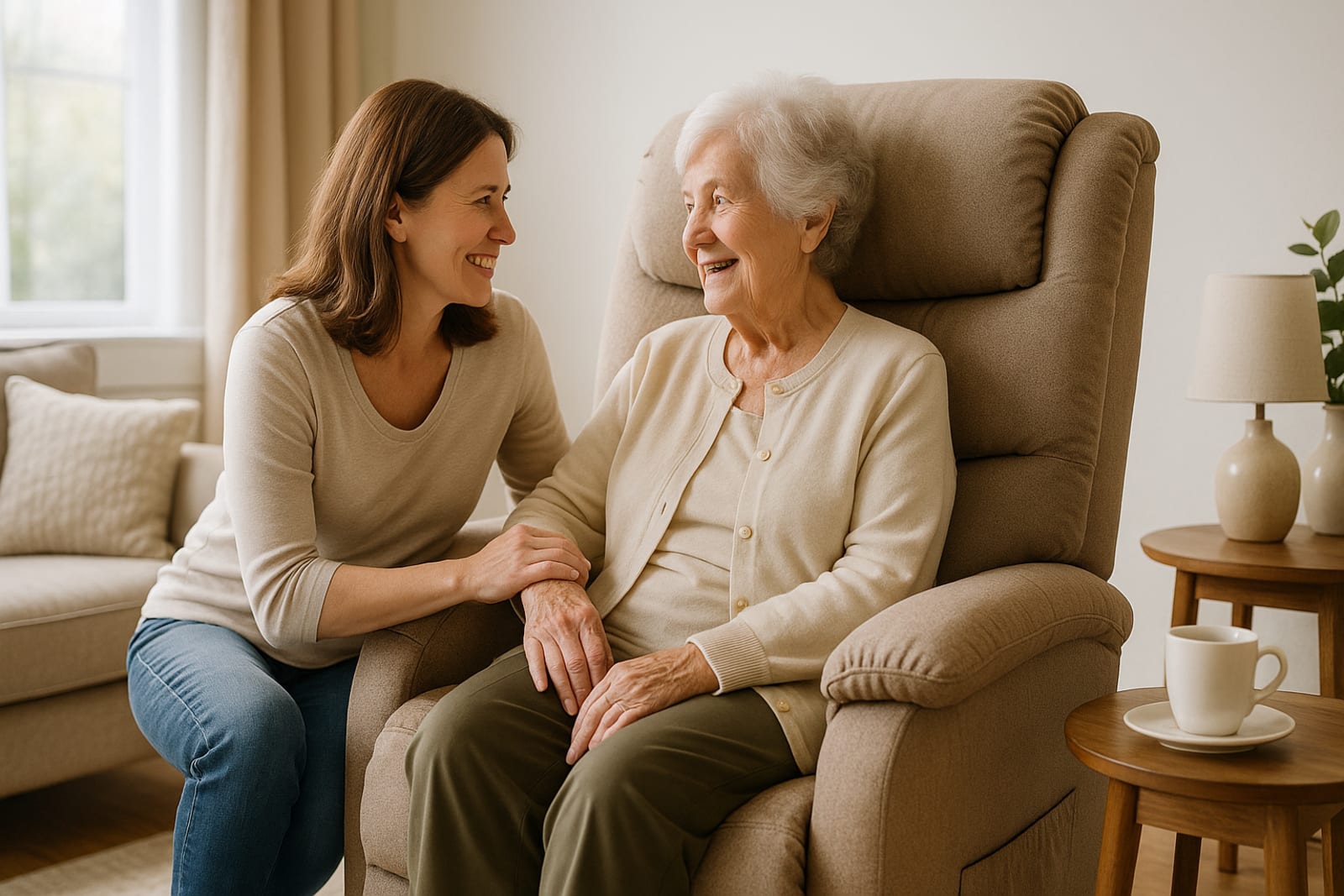
But what catches people off guard, what truly knocks the wind out of them, is the emotional toll. Nobody, unless you're in this industry, nobody's waking up every day thinking about mortality. And seeing somebody you love and care about going through this is the hardest thing. A lot of times it's just the, it's just an ear. But the other part of it is knowing that you're not the only one going through it.
That last part is worth repeating: you are not the only one going through this. It doesn't feel that way at 2 a.m. when you're lying awake wondering if you chose the right mattress to prevent bed sores, or at the pharmacy trying to decipher a new prescription, or in the bathroom you just realized isn't safe for the person you love. But there are tens of thousands of families across Florida navigating the exact same waters right now, and there are organizations built specifically to help them.
Why Guilt Is the Silent Epidemic Among Caregivers
First-time caregivers almost universally experience guilt, and it comes from every direction. Guilt for not knowing enough. Guilt for feeling frustrated. Guilt for needing a break. Guilt for spending money on equipment when you're not sure it's the right choice. Guilt for not spending money on better equipment when you could see it would help.
This guilt is normal, and it's a sign that you care deeply. But left unaddressed, it leads to burnout, and a burned-out caregiver can't take care of anyone, including themselves. The single most important thing you can do in your first weeks as a caregiver is acknowledge that the emotional weight is real and that seeking support is not weakness. It's strategy.
The Identity Shift Nobody Talks About
One day you're someone's child, spouse, or sibling. The next day you're their caregiver. That identity shift happens fast, and it can feel disorienting. You're suddenly making medical decisions, managing finances, coordinating with healthcare providers, and physically assisting someone with daily activities, all while grieving the relationship dynamic you used to have.
Understanding that this shift is a process, not a switch, gives you permission to learn as you go. You don't have to have all the answers on day one. You just have to be willing to ask questions, accept help, and take it one decision at a time.
The Equipment Conversation Is an Emotional Conversation
Here's something that surprises most first-time caregivers: the hardest part of getting the right medical equipment isn't the price tag or the insurance paperwork. It's the conversation with your loved one about why they need it.
For many people, accepting a wheelchair, a hospital bed, or even a grab bar in the shower feels like giving up independence. It feels like an admission that things have changed permanently. And in many cases, they're right, things have changed. But the goal of the right equipment isn't to take independence away. It's to preserve as much of it as possible.
Reframing the Conversation
When it comes to mobility, most people eventually accept that progression is natural. If walking becomes difficult, you use a walker. If the walker isn't enough, it may be time for a wheelchair. But for someone who is fiercely independent, a power scooter or power wheelchair can actually restore freedom rather than limit it. It gives them the ability to get where they want to go without depending on someone else.
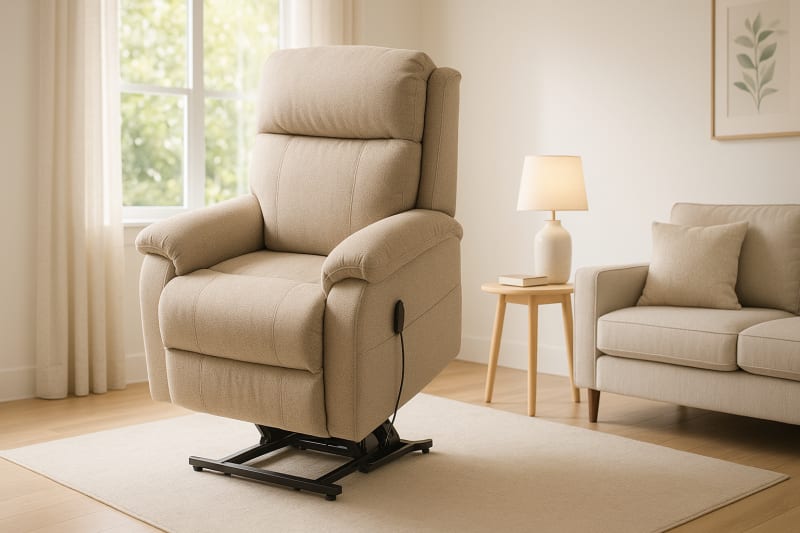
Beds are an entirely different conversation, and this is where the emotional component runs deepest. The phrase "hospital bed" carries enormous psychological weight. But here's what most people don't realize: your hospital bed doesn't have to look or feel like a hospital bed. Premium medical beds today can be beautiful pieces of furniture, with headboards, footboards, and fabric options that look like they belong in a high-end bedroom. Your home is not a hospital, and the right equipment should make it feel that way.
The key to navigating these conversations with your loved one is to focus on what the equipment enables rather than what it represents. A medical bed that adjusts for breathing issues, helps with transfers, and prevents pressure wounds isn't a symbol of decline. It's a tool that lets someone stay in their home, in their life, with their family, instead of in a facility.
Why "Good Enough" Equipment Can Cost You More
First-time caregivers often default to the cheapest option because they're overwhelmed and just want to check a box. That's understandable. But here's the reality: everything has function, and function has a price. Comfort has a price.
A budget mattress might cost a couple hundred dollars, but it won't redistribute pressure for someone who can't reposition themselves at night. That means you could be dealing with pressure wounds within weeks, which means more doctor visits, more supplies, more pain, and more cost. A bed frame with limited height adjustment might save money upfront, but if a caregiver has to physically climb onto the bed to assist someone stuck in the middle, you've introduced an injury risk for two people instead of one.
The eight-inch difference between a queen and a full-size medical bed, for example, is the difference between a caregiver being able to assist while standing beside the bed versus having to climb onto it. These aren't luxury considerations. They're safety math.
Florida Organizations That Offer Support AND Funding
This is the section that could genuinely change your situation, and it's the one most first-time caregivers never find on their own.
There's a reason support groups exist. There's a reason these organizations were built. They provide emotional support, educational resources, and, here's the part that shocks most families, many of them have actual money set aside to help people get the equipment and services they need.
What people don't realize, a lot of these organizations have money for people to get the things that they need. These aren't vague promises. These are real programs with real budgets designed to help families who are struggling to afford medical equipment, home modifications, and caregiving supplies.
Your South Florida Caregiver Resource List
Here is a curated list of organizations that serve South Florida families. Each one offers some combination of support groups, educational resources, and financial assistance programs:
- American Parkinson Disease Association (APDA)Offers support groups, educational programs, and financial assistance for individuals and families affected by Parkinson's disease. Their Florida chapter is one of the most active in the country.
- Florida State Guardianship Association (FSGA)Provides resources for families navigating guardianship, legal advocacy, and care coordination for loved ones who can no longer make decisions independently.
- Alzheimer's Association, Southeast Florida ChapterOne of the most well-known caregiver support organizations in the state. Offers a 24/7 helpline, local support groups, care planning consultations, and connections to financial resources.
- Alzheimer's Community CareA Palm Beach County-based organization that provides specialized day care, in-home support, and caregiver training. They serve families dealing with Alzheimer's and related dementia diagnoses.
- HOPE (Help the Other People with Epilepsy)Provides support, education, and advocacy for individuals and families affected by epilepsy, including financial assistance programs.
- The Spinal Cord Injury FoundationWorks directly with individuals who have suffered spinal cord injuries, connecting them with equipment vendors and funding sources for mobility devices, home modifications, and rehabilitation support.
- The ALS Association, Florida Chapter and ALS ClinicProvides comprehensive support for ALS patients and their families, including equipment loan programs, support groups, and financial grants for medical needs.
- National Multiple Sclerosis Society, South FloridaOffers support groups, wellness programs, financial assistance, and connections to local care providers for individuals living with MS.
There's the American Parkinson's Disease Association, Florida State Guardianship Association... the Alzheimer's Association, Alzheimer's Community Care... the Spinal Cord Foundation... the ALS Foundation, the ALS clinic. They're all great, and they all help.
How to Actually Access Funding Through These Organizations
Most of these organizations don't advertise their financial assistance programs prominently. You typically need to call, explain your situation, and ask what's available. Here's a practical approach:
- Identify your loved one's primary diagnosis. This determines which condition-specific organizations to contact first.
- Call their local or state chapter directly. National websites often have general information, but local chapters know exactly what funds are available in your area right now.
- Ask specifically about equipment assistance programs. Use clear language: "We need help funding a power wheelchair" or "We need assistance paying for a hospital bed." Vague requests get vague answers.
- Ask about vendor partnerships. Some organizations have preferred vendors or established relationships with medical equipment providers, which can streamline the process and sometimes reduce costs.
- Don't limit yourself to one organization. Many families qualify for assistance from multiple sources simultaneously. A veteran with Parkinson's, for example, might access support from both the APDA and the VA.
The Practical Side: What Your Home Actually Needs
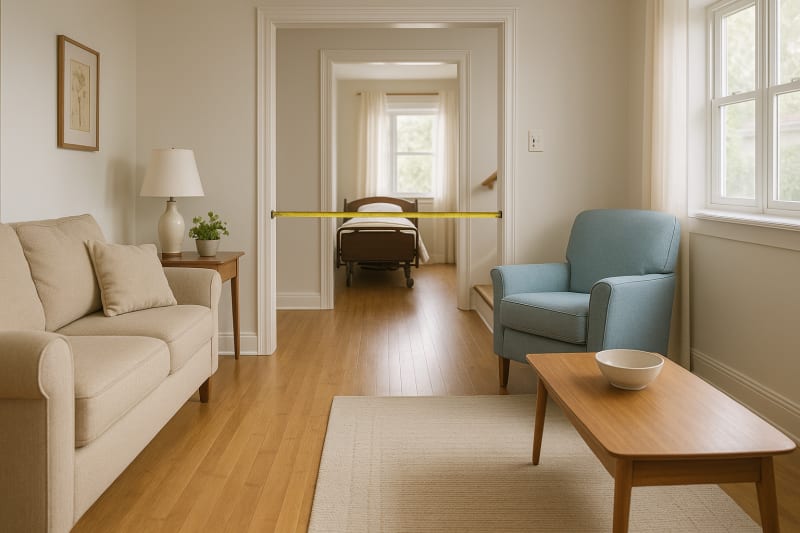
Beyond emotional support and funding, first-time caregivers need to think critically about the physical environment. Most homes were not designed for caregiving, and the modifications required aren't always obvious until something goes wrong.
The Bathroom Is the Most Dangerous Room
When assessing a home for safety, there are really three main things to evaluate in the bathroom: the ability to safely get on and off the toilet, the ability to safely get in and out of the shower, and an environment that doesn't risk a fall.
Each of those has multiple solutions depending on the individual's mobility level, the physical layout of the bathroom, and the caregiver's ability to assist. Options range from simple grab bars and elevated toilet seats to custom shower inserts that level uneven floors, sliding transfer benches, roll-in shower chairs, and patient lifts for the toilet. The right answer depends entirely on your specific situation, which is why a professional assessment is so much more valuable than guessing your way through Amazon.
The Bedroom Setup Matters More Than You Think
The bed isn't just where your loved one sleeps. It's where they spend the majority of their time, where caregiving tasks happen, and where safety risks like falls and pressure injuries are most acute. Key questions to consider:
- Who is the bed for, one person or a couple? This determines size and configuration.
- What is the primary medical need? Breathing support, transfer assistance, wound prevention, and fall prevention all require different features.
- Who is providing care, and what is their physical ability? A bed that's too wide, too low, or lacks proper rail options can injure the caregiver as easily as the patient.
- What does this look like in six to twelve months? A bed that can age with someone, adjusting as care needs change, prevents the cost and disruption of replacing equipment repeatedly.
What to Do Now
If you're in your first weeks or months as a caregiver, here's a realistic action plan organized by timeframe.
This Week
- Acknowledge the emotional weight. Tell someone, a friend, a family member, a co-worker, what you're going through. You don't need to solve anything. You just need to not carry it alone.
- Do a basic safety walk-through of your home. Focus on the bathroom and bedroom. Look for trip hazards, inadequate lighting, missing grab bars, and furniture that's too low or too high.
- Write down your loved one's primary diagnosis and current mobility level. You'll need this information for every conversation with equipment providers, insurance companies, and support organizations.
This Month
- Contact at least two organizations from the resource list above. Ask about both support groups and financial assistance. Even one conversation can open doors you didn't know existed.
- Schedule a professional equipment consultation. Whether it's in a showroom or a home visit, have an expert evaluate what your loved one actually needs versus what you've been guessing. Bring your questions and your concerns, this is a conversation, not a transaction.
- Review your insurance coverage. Understand what Medicare, Medicaid, or your private insurance will cover. Then understand what gaps remain so you can explore other funding sources.
This Quarter
- Join a caregiver support group. In-person or virtual, condition-specific or general. The goal is to be in a room, literal or digital, with people who understand what you're living through.
- Build your care team. Identify the professionals, organizations, and family members who can share the load. Caregiving is not a solo endeavor, even though it often feels like one.
- Re-evaluate your equipment setup. Needs change. What worked in month one may not be sufficient by month three. Build in a regular check-in with your equipment provider to stay ahead of changing requirements instead of reacting to crises.
The Bottom Line
Becoming a caregiver for the first time is one of the most challenging transitions a person can face, emotionally, financially, and logistically. The equipment matters, but so does the support system around it. You don't have to figure this out alone, and there are organizations across South Florida with both the resources and the funding to help.
Ready to talk through your situation? Whether you're trying to figure out the right bed, make a bathroom safer, or just need someone who understands what you're going through, we're here. Contact our team at #1 Medical Equipment & Supply for a free consultation, no pressure, no sales pitch. Just real answers to the questions keeping you up at night.