Medical Beds Aren't What You Think: How Premium Home Beds Are Replacing the Hospital Look
Medical Beds Aren't What You Think: How Premium Home Beds Are Replacing the Hospital Look
Picture this: your parent or spouse just got discharged from the hospital. The doctor says they need a medical bed at home. And the first image that flashes through your mind is a cold, chrome-railed, institutional-looking contraption parked in the middle of your living room. The kind of thing that screams "patient" instead of "person."
You are not alone in that reaction. It is one of the most common misconceptions we encounter every single day. Families delay getting the equipment their loved one needs because they cannot stomach the idea of turning their home into a hospital ward. And we get it. Your home is not a hospital, and it should never feel like one.
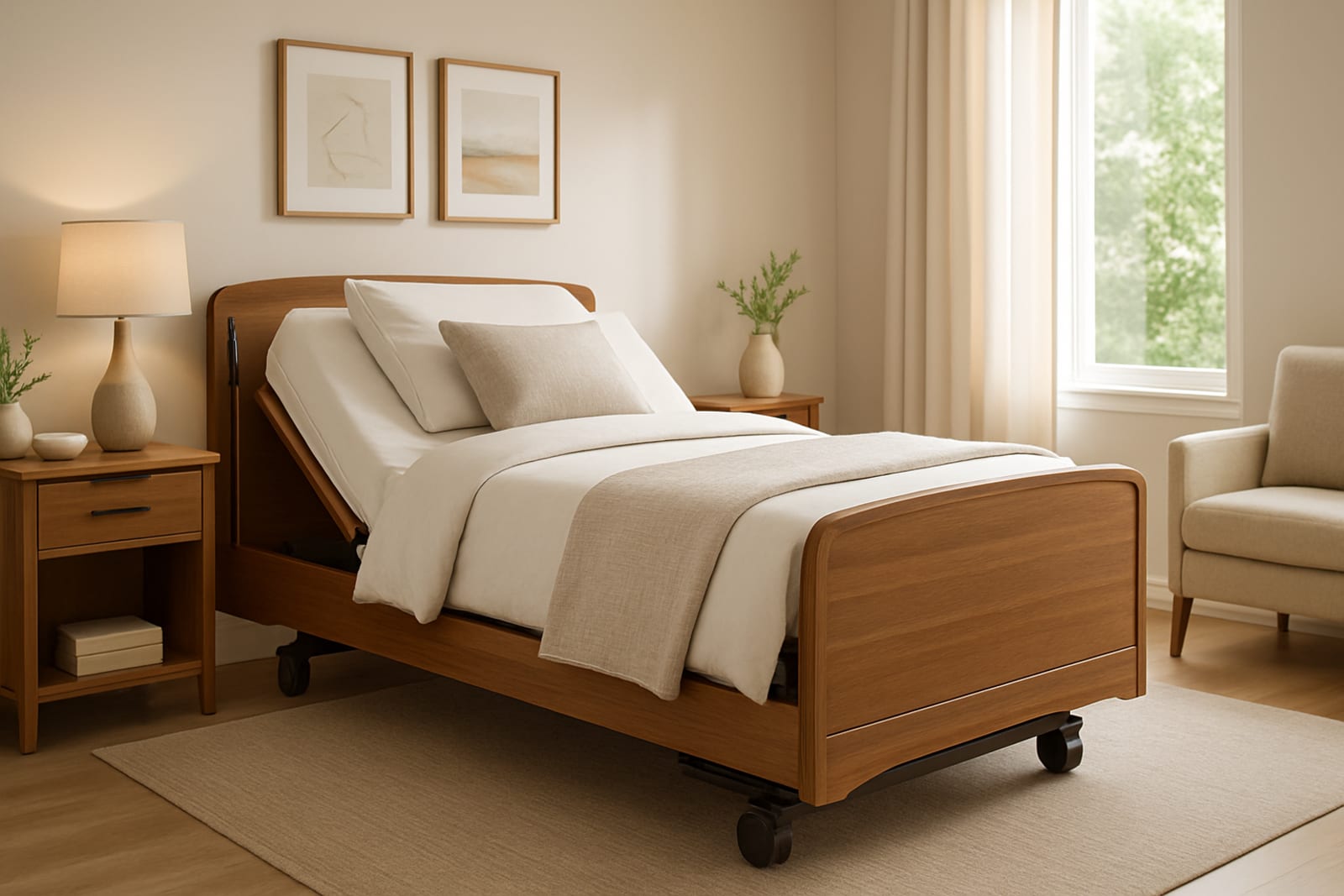
But here is what most people do not realize: the world of medical beds has changed dramatically. Today, a medical bed can look like something you would find in a high-end furniture showroom, complete with designer headboards, fabric options, and a footprint that blends seamlessly into your bedroom. The functionality is there. The hospital aesthetic is not.
Here is what you need to know about the full spectrum of medical beds available in 2026, why the "age with you" approach saves families thousands of dollars and countless headaches, and how to start the conversation before a crisis forces your hand.
The "Hospital Bed" Stigma Is Holding Families Back
Let us be honest about the emotional weight behind these decisions. Nobody, unless they work in this industry, wakes up every day thinking about mortality. Seeing someone you love and care about going through physical decline is the hardest thing. And when equipment enters the picture, it can feel like a line has been crossed, like independence has been surrendered.
That emotional resistance is real, and it is valid. But it is also based on an outdated picture of what medical beds actually look like in 2026. When most people hear "hospital bed," they imagine the basic semi-electric frame with thin mattresses and side rails that clank every time someone rolls over. That image is decades old, and it is keeping families from making proactive decisions that would dramatically improve their loved one's quality of life.
The truth is straightforward: "Your hospital bed, quote unquote, does not have to be a hospital bed. It could be a beautiful piece of furniture that has medical functionality or what we call a premium medical bed."
That single shift in understanding changes everything. Once families realize there is a spectrum of options, from insurance-covered basics to premium beds with designer aesthetics and advanced clinical features, the conversation moves from "we are not ready for that" to "let us figure out what makes sense."
Understanding the Full Spectrum: From Medicare Beds to Premium Medical Beds
Not all medical beds are created equal, and understanding the range is the first step toward making a smart decision. Think of it as a spectrum with three broad tiers, each serving different needs, budgets, and timelines.
Tier 1: The Medicare Bed (Insurance-Covered Basics)
This is the bed most people picture when they hear "medical bed." It is what insurance will provide when clinical documentation supports the need. A standard Medicare bed typically offers basic head and foot adjustability, a simple frame, a foam or basic air mattress, and standard hospital-style side rails.
Is it functional? Yes. Will it keep someone safe? In many cases, it does the job. But here is the reality: it is the bare minimum. It is the equivalent of buying the cheapest mattress at a furniture store, sleeping on it, and wondering why your back hurts every morning. You can sleep on it, but you will not sleep well.
Medicare beds serve an important purpose, especially for families on a tight budget or for short-term recovery situations. But for anyone facing a longer-term or progressive care need, it is worth understanding what else is out there before defaulting to "whatever insurance covers."
Tier 2: Mid-Range Medical Beds (Enhanced Functionality)
Step up from the basic Medicare bed and you start seeing meaningful differences in build quality, mattress technology, and range of motion. Mid-range beds often offer greater high-low range, meaning the bed can go lower to the ground for safer transfers and higher for caregiver access. You will find better mattress options, including pressure redistribution surfaces that help prevent skin breakdown.
Some mid-range options, like the Flexabed line, offer a particularly appealing advantage: they can fit within the frame of your existing bed furniture. That means in many cases, you are not changing furniture at all. You are upgrading the interior of your bed to include medical functionality while keeping the headboard, footboard, and bedroom aesthetic you already love. For couples doing a split king configuration, this can be a game-changer since one side of the bed gets medical functionality while the other stays exactly as it is.
Tier 3: Premium Medical Beds (Furniture-Grade Design Meets Clinical Function)
This is where the industry has truly evolved. Premium medical beds from manufacturers like iCare combine the full clinical functionality of a hospital bed with the design sensibility of high-end furniture. We are talking about beds with six or more frame and fabric color options, attachable headboards and footboards that match your bedroom decor, five different rail configurations, multiple mattress choices for different clinical needs, and extensive high-low range reaching 22 to 26 inches for maximum versatility.
These beds do not look like medical equipment. They look like something you would see in a Rooms To Go showroom. And they perform every function a clinical setting would require, from Trendelenburg positioning for blood pressure regulation to lateral rotation for wound prevention.
The price range reflects this quality. You might see premium beds ranging from $4,000 to $15,000 or more, depending on the configuration. But consider this: a premium bed from iCare can deliver nearly identical functionality to competitors priced at $7,000 or more for a twin configuration, at roughly half the cost. That kind of value is why these beds are consistently our bestsellers, and why we have never had a single one returned.
The Furniture Shopping Analogy That Changes the Conversation
Here is the simplest way to think about medical bed shopping, and it is the same framework we use with every family that walks through our doors: shopping for a medical bed is exactly like shopping for any other bed or piece of furniture.
When you go furniture shopping, you can buy a cheap bed right now. You can get a mattress with a wired frame for a couple hundred bucks. And you can sleep on it. But it will not be good sleep. You will not be comfortable. You will wake up in pain. Everybody has a budget. Everybody has their wants, needs, likes, and dislikes. And you get what you pay for. That is not a sales pitch. It is just the truth.
Free is everyone's favorite four-letter word. But free might not be the thing that makes you comfortable at night. It might not give you the quality sleep you need or the positional functionality your body requires.
Why Function Drives Price
The price difference between a $400 bed and a $12,000 bed is not about markup. It is about function. Consider just a few of the variables that determine what bed is right for a specific person:
- High-low range: Do you need 8 inches of range, 12 inches, 22 inches, or 26 inches? The greater the range, the more versatile the bed is for both the patient and the caregiver.
- Positioning capabilities: Do you need Trendelenburg or reverse Trendelenburg positioning for chronic back pain, arthritis, or blood pressure regulation?
- Mattress technology: Is the goal basic comfort, pressure redistribution to prevent wounds, active treatment of an existing wound, or lateral rotation for patients who cannot reposition themselves?
- Frame design: Does the bed need to accommodate a caregiver standing beside it? Does it need to lower close to the floor for fall prevention?
- Aesthetic integration: Does the bed need to blend into a shared bedroom? Will visible medical equipment cause psychological distress to the user or their partner?
Every one of these functions has a price. Comfort has a price. And the only way to truly figure out the right bed for you is to explain what is going on and let a knowledgeable team guide you to the right fit.
The "Age With You" Philosophy: Why Planning Ahead Saves Everything
This might be the most important concept in this entire article. Most families come to us in crisis mode. Someone fell. Someone was discharged. Someone's condition worsened overnight. And when you are in crisis mode, you are not making thoughtful decisions. You are reacting. You are grabbing whatever is available. And you are often settling for equipment that will need to be replaced in six to nine months as the situation evolves.
There is a better way.
"It's a bed that can age with them. Right. So, you know, it might be something as simple as, you know, you need adjustability for breathing. But we know that your ability to transfer might be starting to go a little bit as well. So maybe instead of looking at an adjustable bed where, sadly, maybe in six, eight, nine months, you're needing more. Let's talk about a premium medical bed that could give you that functionality and live with you and age with you."
This is the "age with you" philosophy, and it fundamentally changes how families should approach the medical bed conversation.
What "Aging With You" Looks Like in Practice
Imagine a 72-year-old who is currently mobile but has been diagnosed with early-stage Parkinson's. Right now, their primary need might be head elevation for breathing comfort at night. A basic adjustable bed could handle that. But we know that over the coming months and years, their transfer ability will likely decrease. They may need lower bed heights for safer entry and exit. They may eventually need full side rails. Their mattress needs may change as skin integrity becomes a concern.
If this family buys the basic adjustable bed today, they are looking at replacing it within a year. That is two purchases, two deliveries, two adjustment periods, and the emotional toll of acknowledging decline twice instead of once.
If instead they invest in a premium medical bed now, one with the full range of high-low adjustment, rail options, and mattress versatility, that single bed serves every stage of the journey. It is one purchase, one transition, and one piece of furniture that quietly adapts as care needs change.
The math is simple. The emotional calculus is even simpler. Planning ahead is almost always less expensive and less stressful than reacting to a crisis.
What the Showroom Experience Actually Looks Like
If you have ever walked into a typical medical equipment store, you know the feeling: a million products crammed into every corner, overwhelming signage, and someone trying to push whatever they have in stock. It feels like a warehouse, not a place where you would make an important life decision.
Our showroom takes a fundamentally different approach. Think clean lines, curated displays, and an experience closer to shopping at a high-end furniture store than navigating a medical supply warehouse. We intentionally do not overstock. Everything in the showroom is there for you to experience, sit in, lie on, and understand.
How We Help You Choose the Right Bed
For beds specifically, our showroom features five beds: a Medicare bed so you can see exactly what insurance provides, plus a twin, full, queen, and split king from different premium manufacturers. This lets you compare styles, sizes, and manufacturers side by side and then pair those preferences together to configure the perfect bed for your situation.
The questions we ask are designed to get to the right answer, not the most expensive one:
- Who is the bed for? Is it just for you, or for you and a partner? This determines size, and often a full is smarter than a queen. That eight-inch difference between a queen and a full is the difference between a caregiver having to climb onto the bed to help you versus being able to assist while standing beside you.
- Why do you need a bed? Are you having trouble getting in and out of bed? Is there a memory issue causing falls at night? Are there skin integrity concerns like bed sores or thin skin? Are you recovering from surgery?
- What does your care trajectory look like? This is where the "age with you" conversation happens. We look not just at what you need today, but at what you will likely need in six months, a year, and beyond.
When we see someone face to face, we can usually understand what is going on fairly quickly and help guide the conversation toward the right solution. That is something you simply cannot get from browsing Amazon or clicking through product pages online. Everybody is different. Everybody is individual. And the equipment needs to match.
What To Do Now
If you are reading this because a loved one's needs are changing, or because you are trying to plan ahead before a crisis hits, here is a practical timeline for action.
This Week
- Have the conversation with your family. Normalize it. You are not "shopping for a hospital bed." You are shopping for a piece of furniture that happens to have medical functionality. Frame it that way.
- Write down current symptoms and concerns. What is driving the need? Breathing issues? Transfer difficulty? Fall risk? Skin concerns? The more specific you can be, the better the recommendation you will receive.
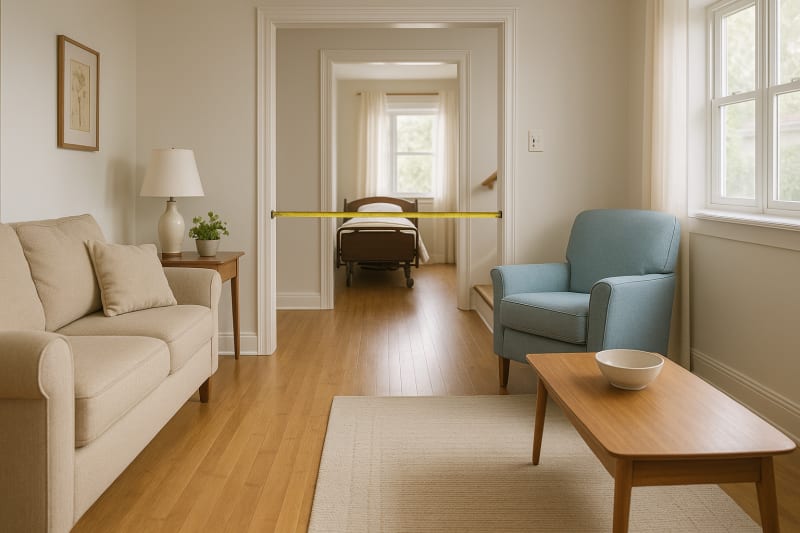
- Note your bedroom layout. Measure the space. Consider door widths for caregiver access. Think about which side of the bed faces the bathroom.
This Month
- Visit a showroom. There is no substitute for lying on a bed, testing the controls, and seeing the difference between a Medicare bed and a premium option with your own eyes. If you are in South Florida, our Delray or Tampa showrooms are designed for exactly this kind of experience.
- Understand your insurance coverage. Know what Medicare, Medicaid, or your advantage plan will cover. This gives you a baseline. Then you can make an informed decision about whether to supplement with a premium option.
- Get a professional assessment. Let someone who knows the equipment evaluate your specific situation. A 15-minute conversation can save you from buying the wrong bed and replacing it months later.
This Quarter
- Make a decision before the crisis. If your loved one has a progressive condition, do not wait for the fall, the hospital stay, or the moment when everything becomes urgent. Proactive purchases are smarter purchases.
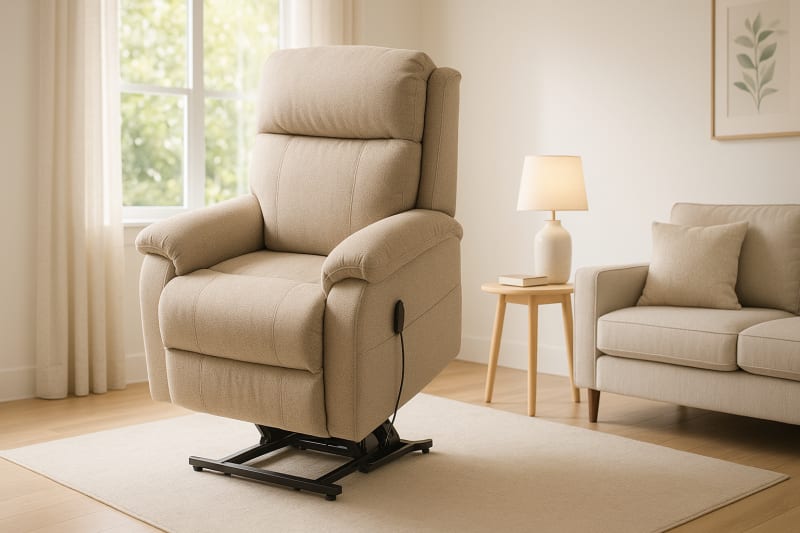
- Consider the full care environment. The bed is just one piece. What about bathroom safety? Mobility devices? A lift recliner for daytime comfort? A holistic equipment plan built around someone's actual life is always more effective than buying one item at a time in reaction to individual incidents.
- Connect with support organizations. Groups like the Alzheimer's Association, the ALS Foundation, the American Parkinson Disease Association, and the Florida State Guardianship Association offer resources, support, and in some cases funding to help families get the equipment they need.
The Bottom Line
The medical bed industry has evolved far beyond the sterile hospital equipment most families picture. Premium medical beds today are beautiful, functional pieces of furniture that protect dignity, enhance comfort, and adapt as care needs change. The smartest move you can make is to start the conversation now, before a crisis forces a rushed decision, and invest in a bed that can age with your loved one rather than one that needs replacing in six months.
Ready to see the difference for yourself? Visit our showroom in South Florida or call our team to schedule a personalized consultation. We will walk you through every option, from Medicare basics to premium medical beds, and help you find the exact right fit for your family's needs. Because your home should still feel like home.